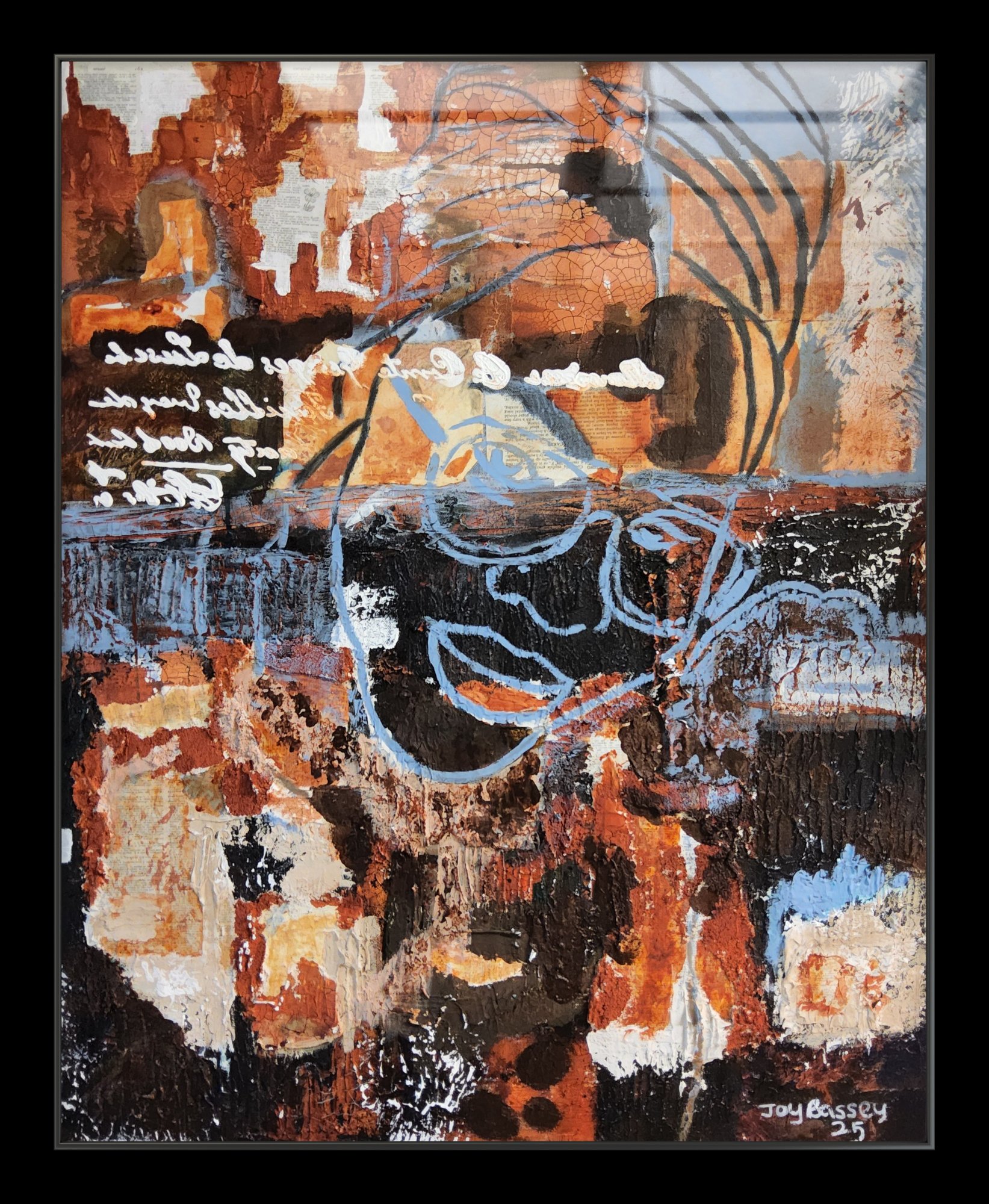
01 / 10
Visual Language
A practice built by hand. Surfaces that carry the residue of process, the weight of what was felt, and the discipline to stay with it.
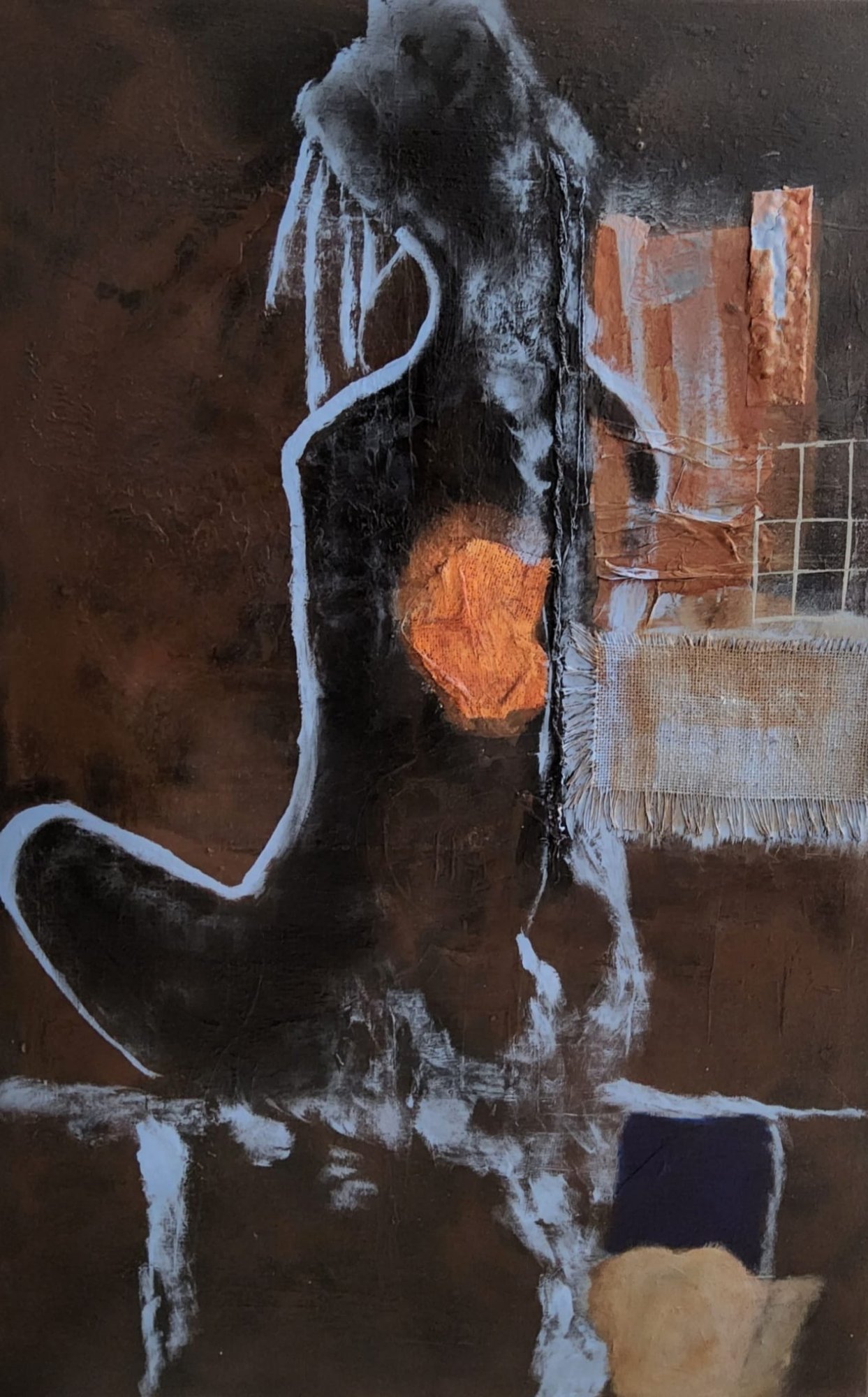
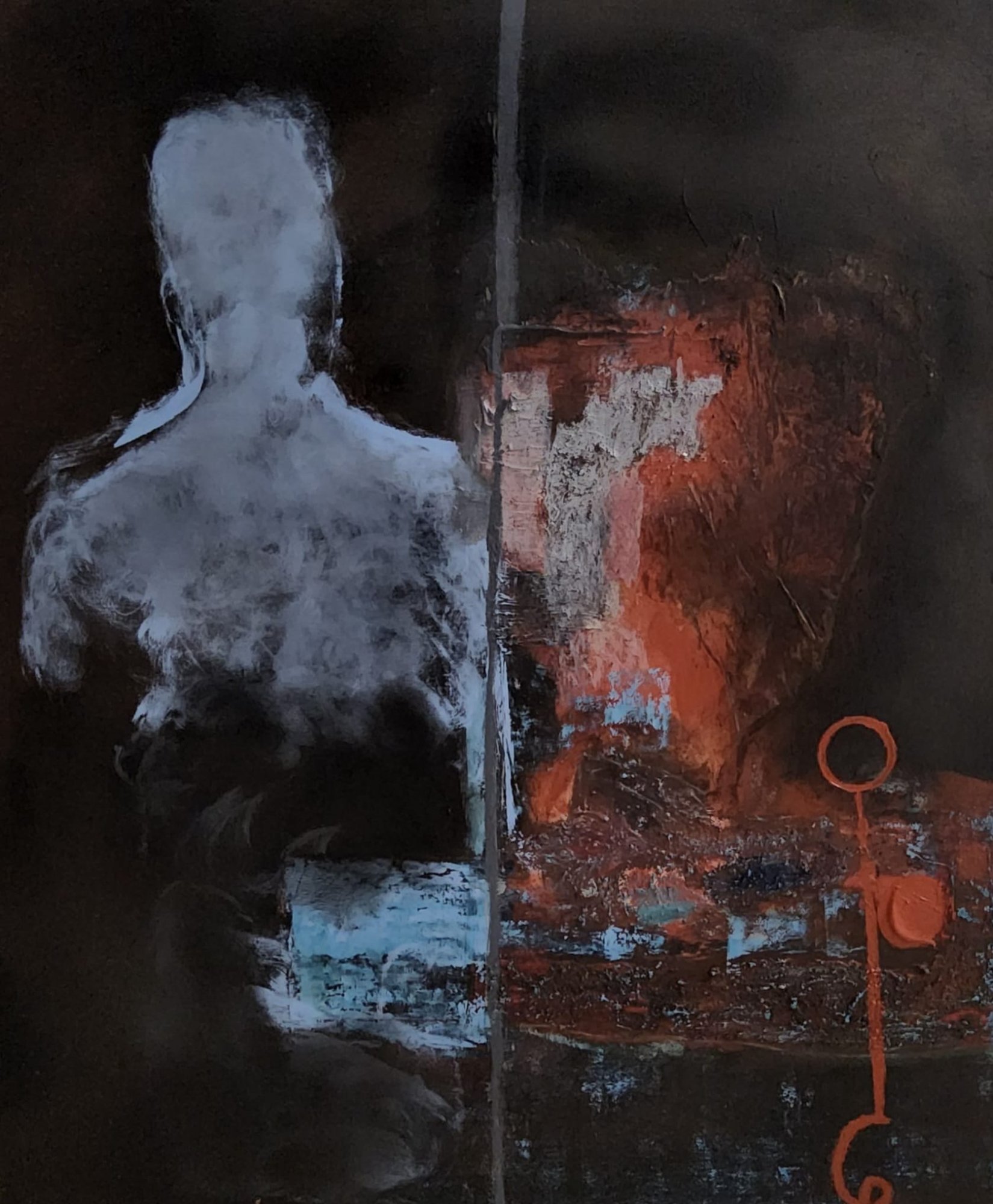
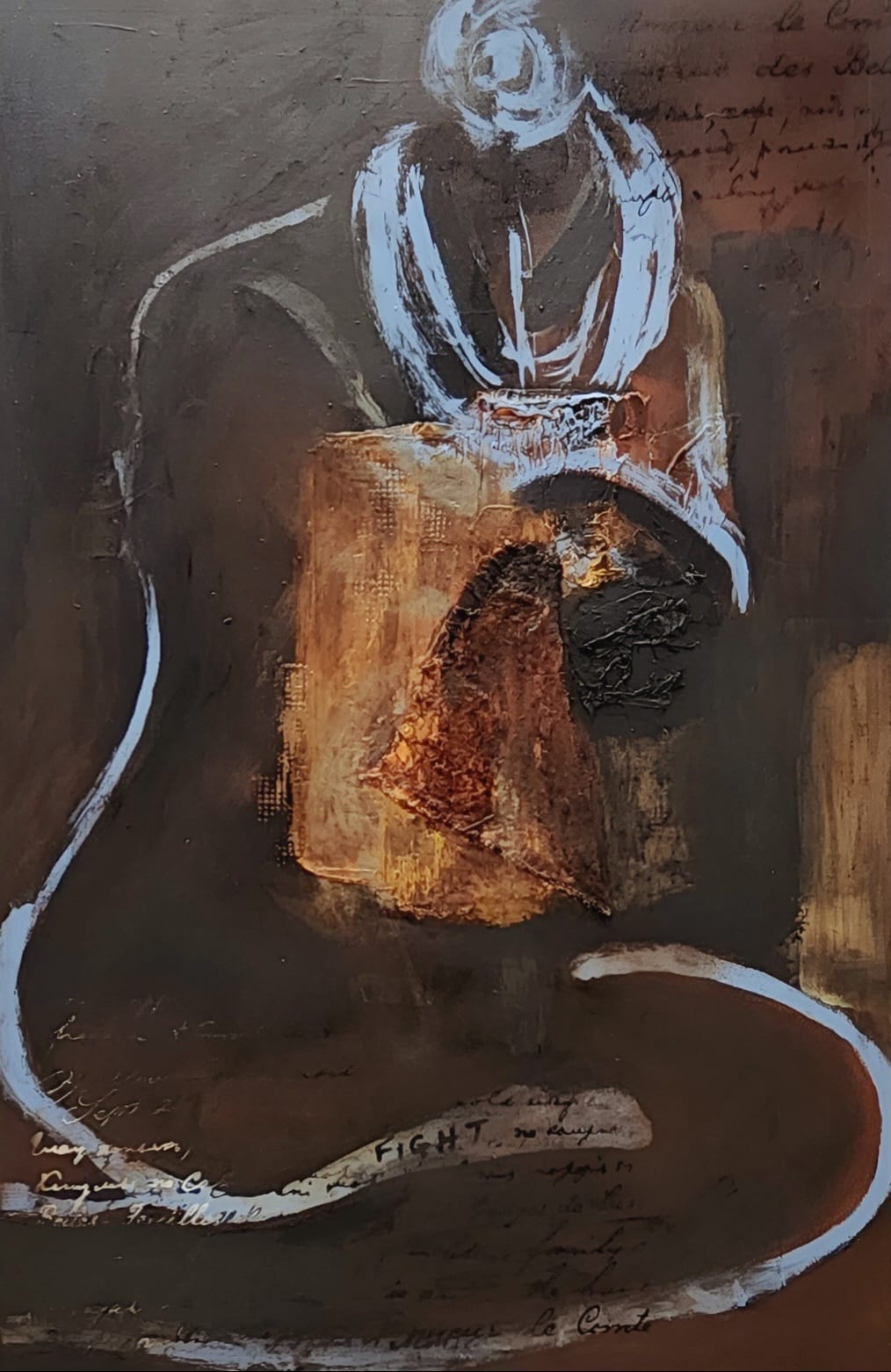
The Rust Series. Ten works in material abstraction. Acrylic, charcoal, and found materials on canvas. Each piece a record of exposure. What the body holds after a season of fracture. The work carries texture, tension, and the residue of what stayed.
01 / 10
02 / 10
03 / 10
04 / 10
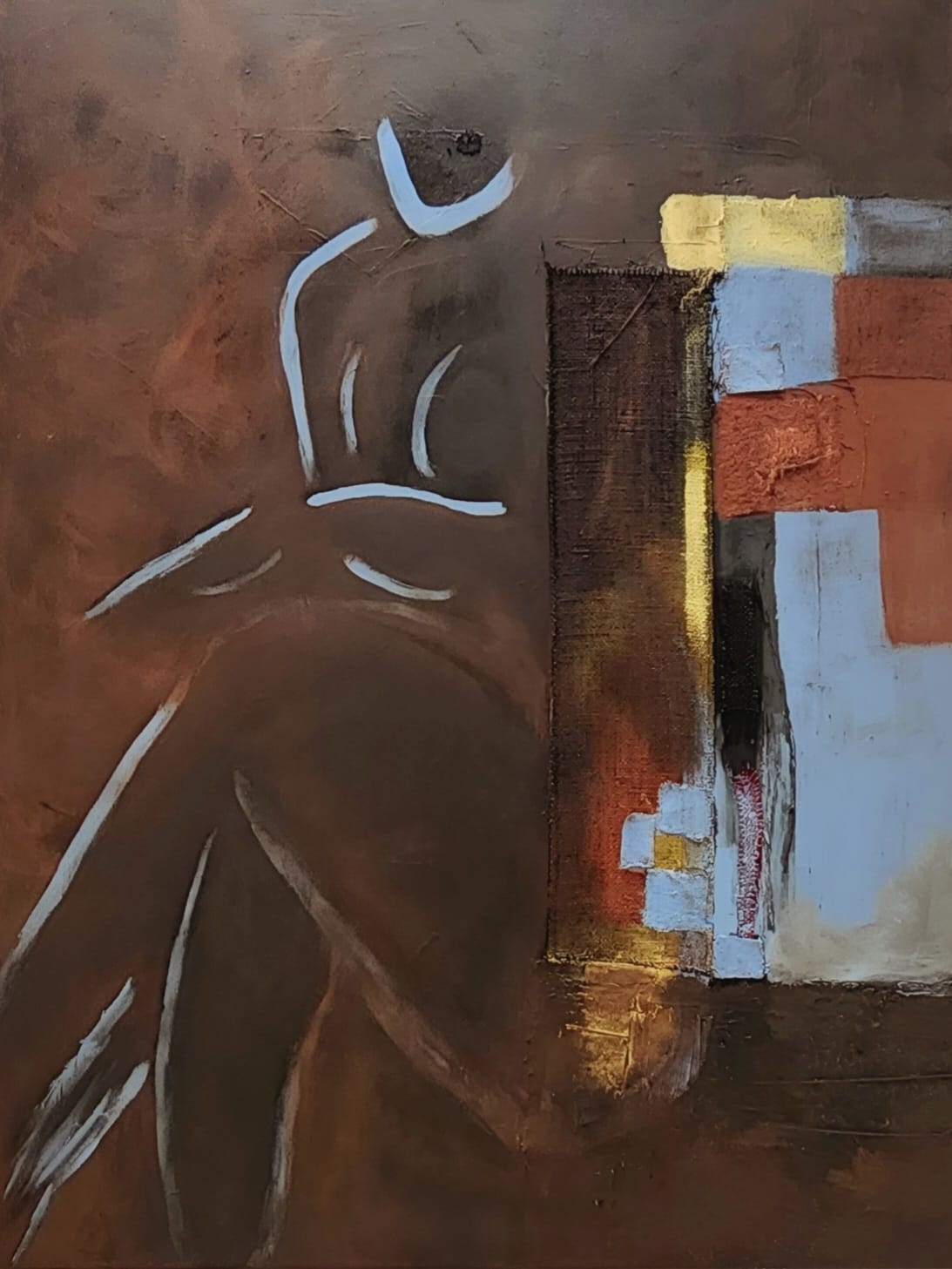
05 / 10
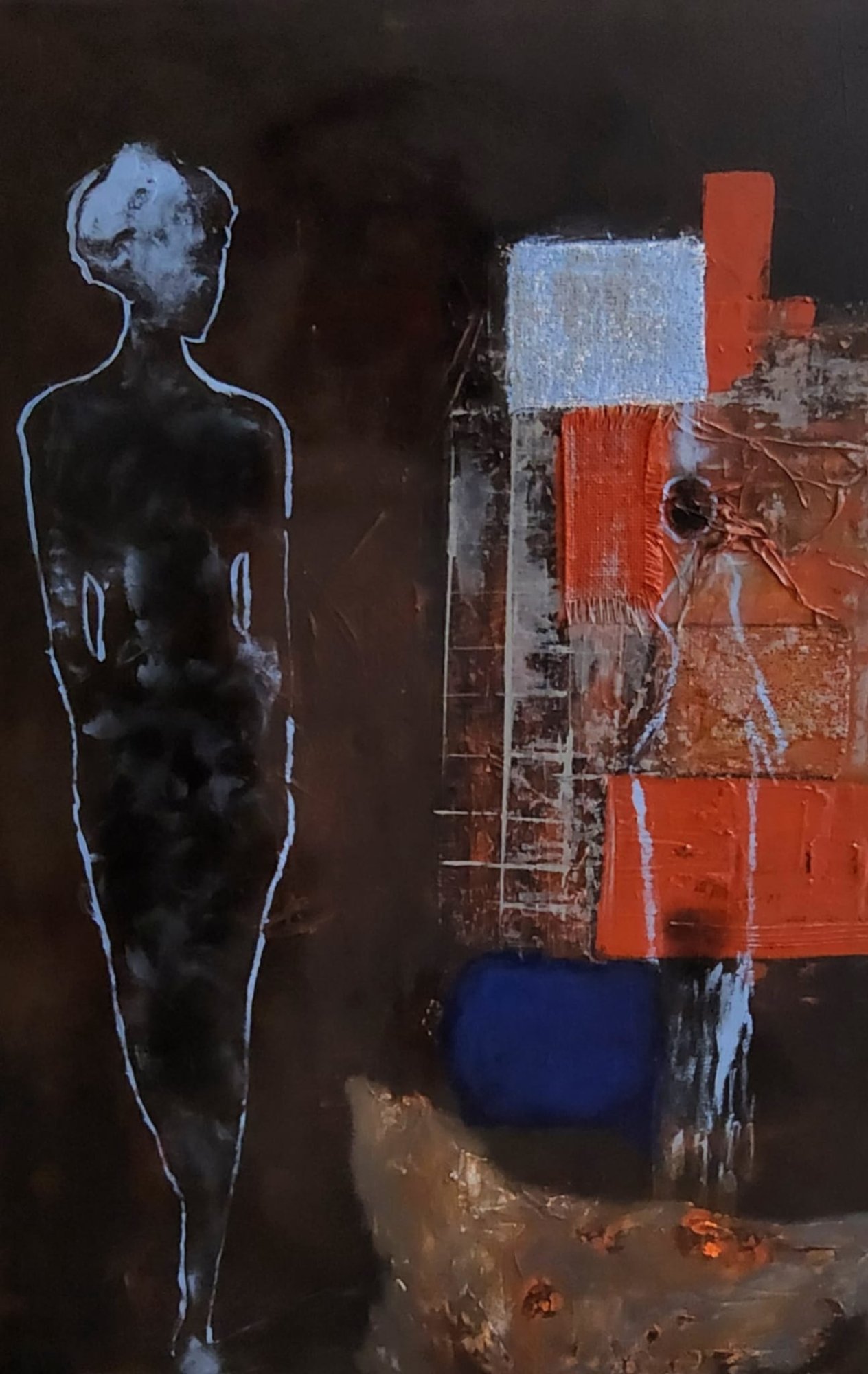
06 / 10
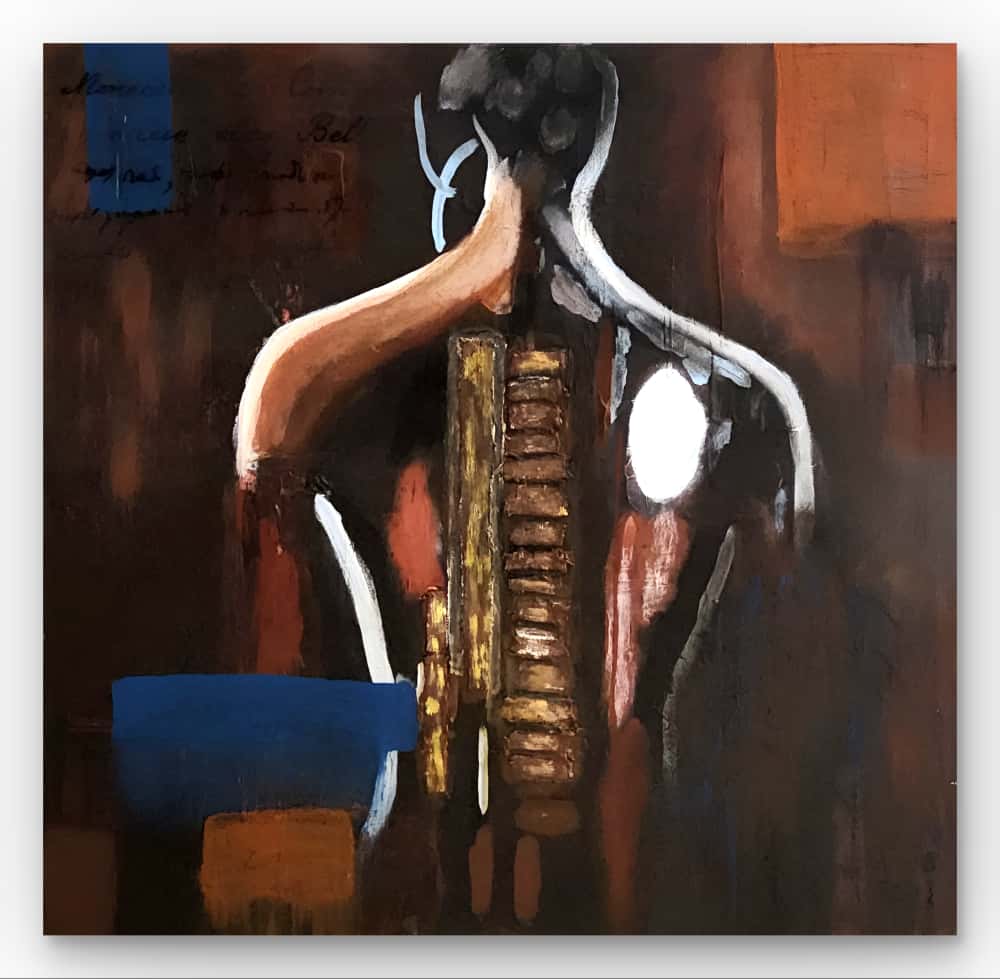
07 / 10
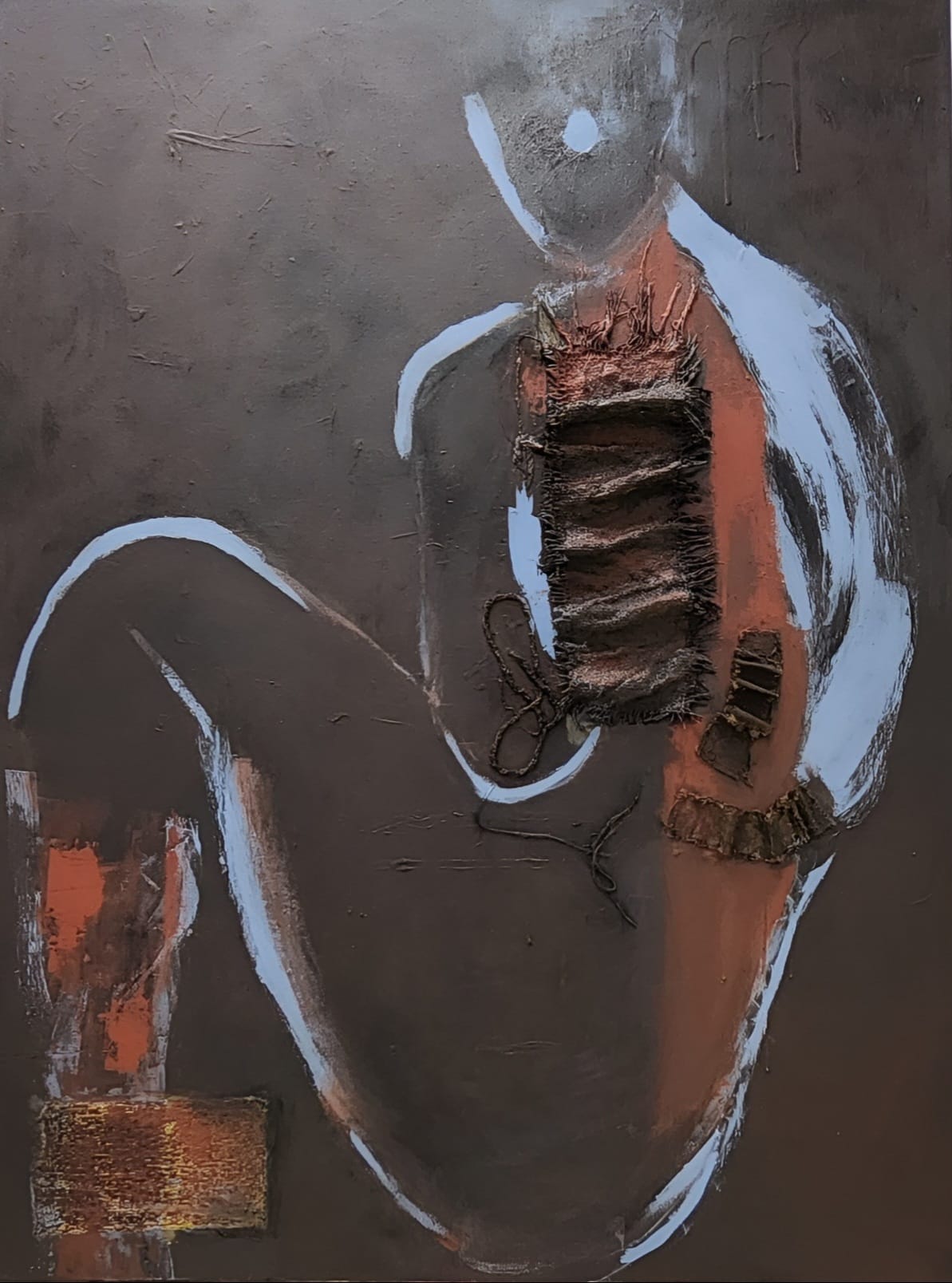
08 / 10
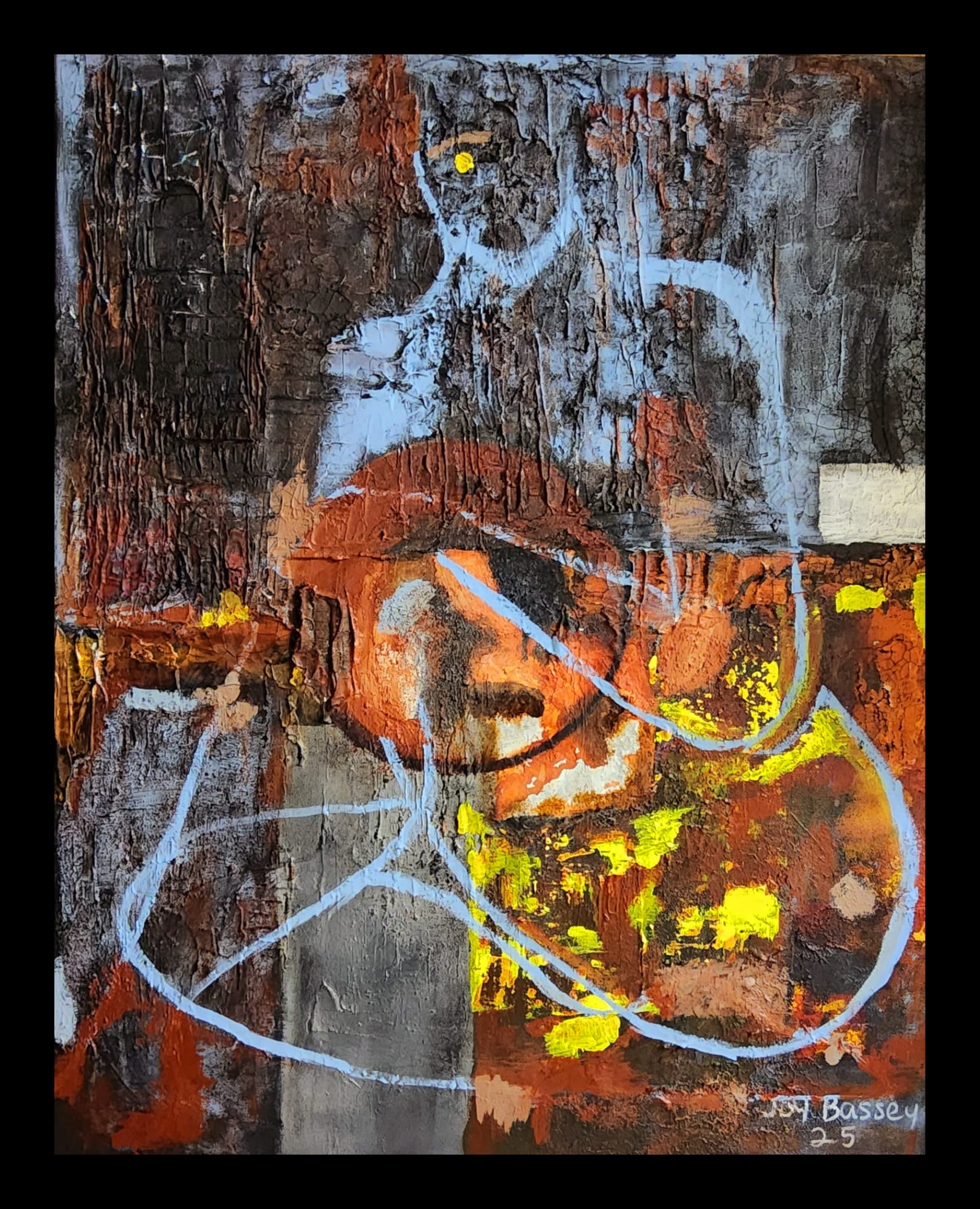
09 / 10
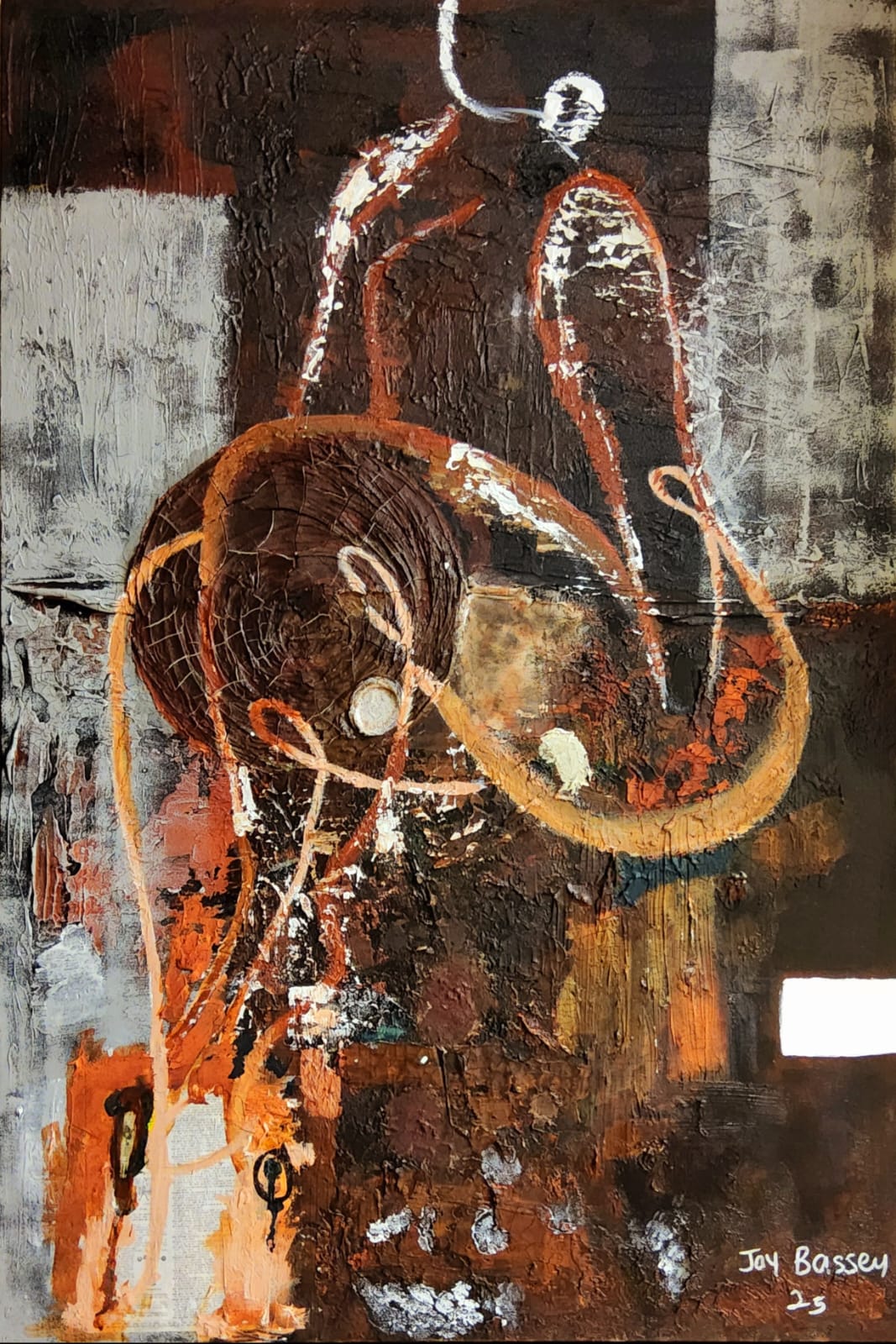
10 / 10
The theology of rust
I started this series in a season I didn't ask for, the kind where getting through a day was the whole accomplishment. I found myself thinking about brutalist architecture, buildings that keep their pour marks and their seams in plain sight instead of dressing them up, and I wanted to paint the same way. A scar works like a seam in concrete. It is proof something happened, and proof we were built to carry it.
Rust only forms where something has touched a surface long enough to change it. That is what I am painting when I layer texture and let the process stay visible: proof of contact, proof that a life was lived and something real happened to it. Every person carries a version of this, a loss, a diagnosis, a long stretch of simply staying upright, and I wanted my work to hold space for that range of experience rather than just my own.
The invitation underneath all of it is simple. If you are moving through a rusty season right now, I hope this work tells you that what you are living through does not need to be hidden or rushed past. Sit with what it is asking of you. Let it shape who you are becoming. That is the whole belief behind Scar. Story. Sacred.: what weathers gets revealed by the weathering, and it deserves to be honored.
The journey
In 2021, Joy-Jayne Bassey decided she wanted her first art collection. In that process, she found something she had not been looking for: a place to define herself, to be in one accord with herself. She is self-taught. She began, as most honest things begin, out of curiosity and desire.
The early work was experimental. Abstract, introspective, a mirror held up to different aspects of her life. Then came the pour work: its flexibility, the quickness and thoroughness it required at the same time. Then resin. It is untamed, but it requires discipline. It requires you to trust what you know while remaining open to what is yet to come.
It felt like I was exploring erosion. What weathered, seasoned, and the quiet prophecy of emerging out of a weathered season would look like.
Each season of painting reflected a season of her life. That path led to the Rust Series: paintings built from layered textures and lived-in tension, an archive of what a body and a spirit carry, what they leave behind, and what they are still becoming.
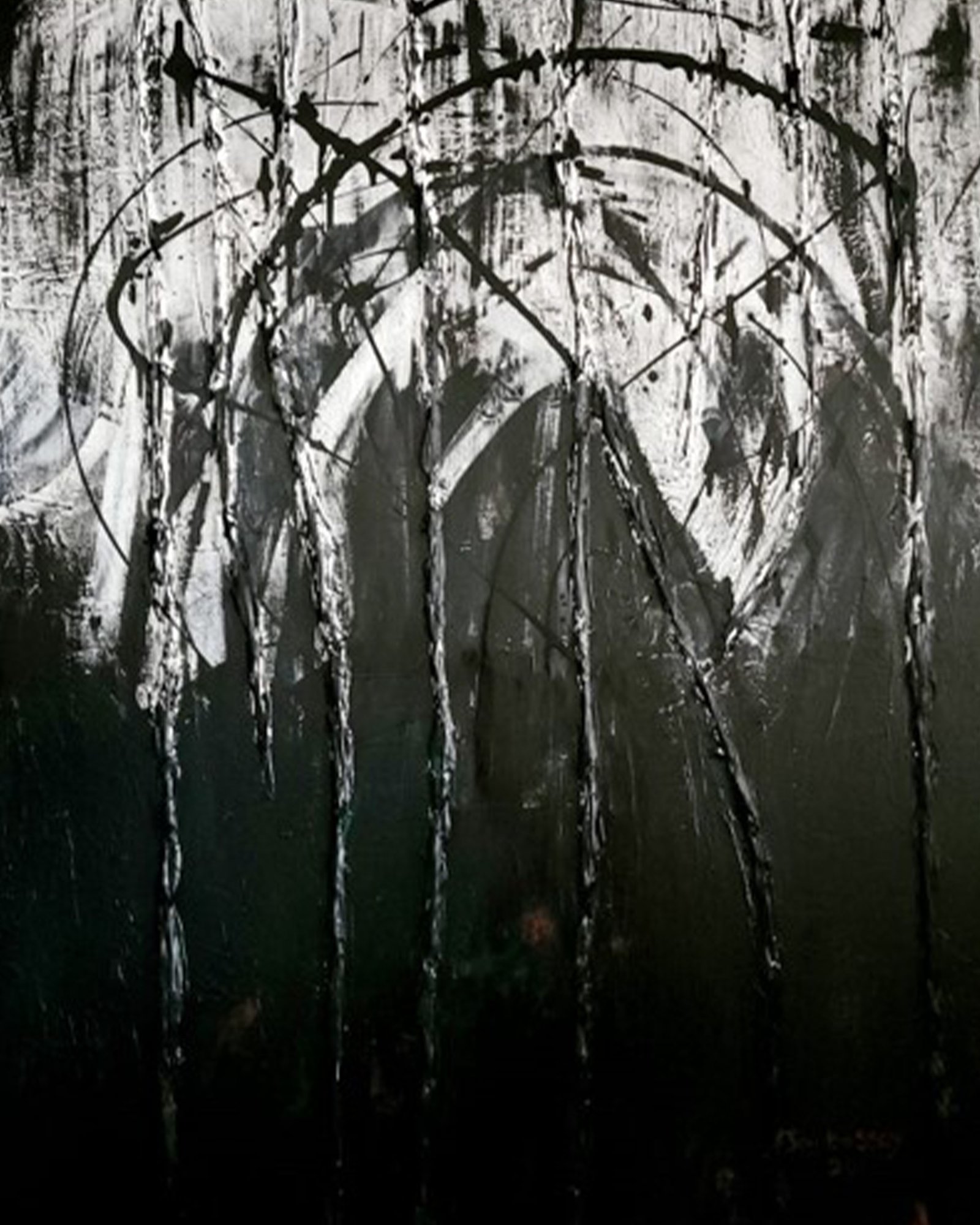 Midnight Delight · Sold, Private Collection
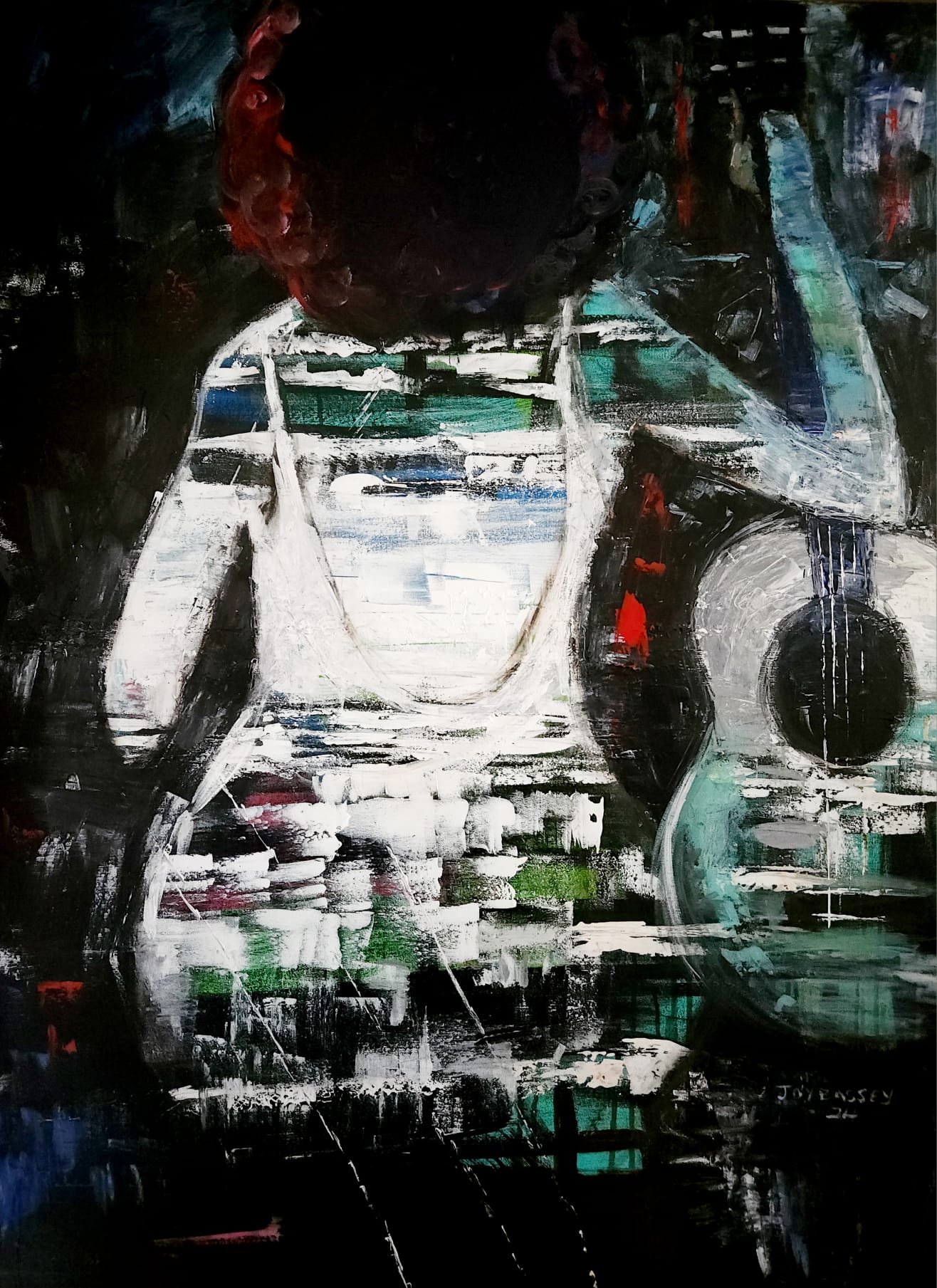 Devotion · Sold, Anfaani Collection
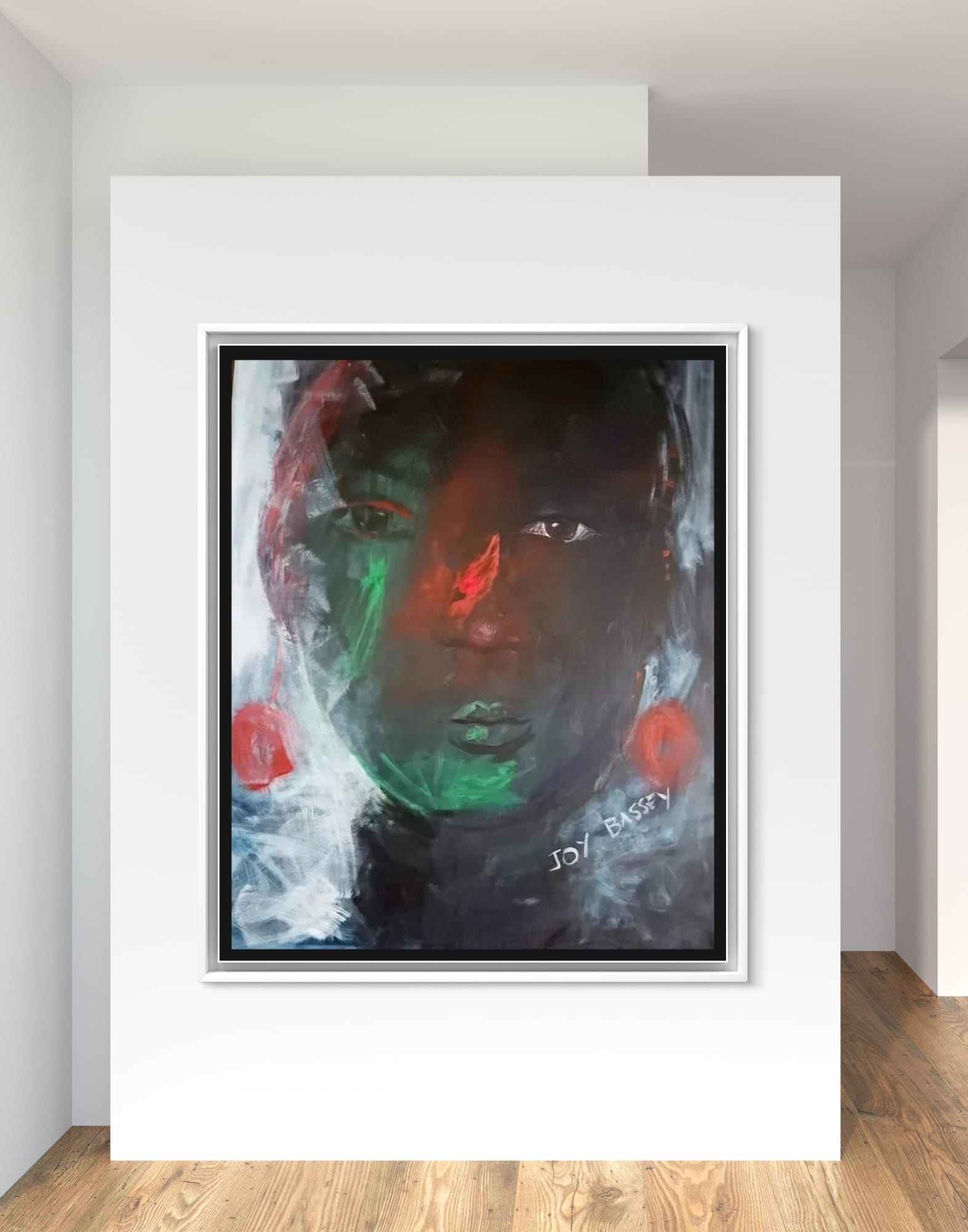 Mirror · Available
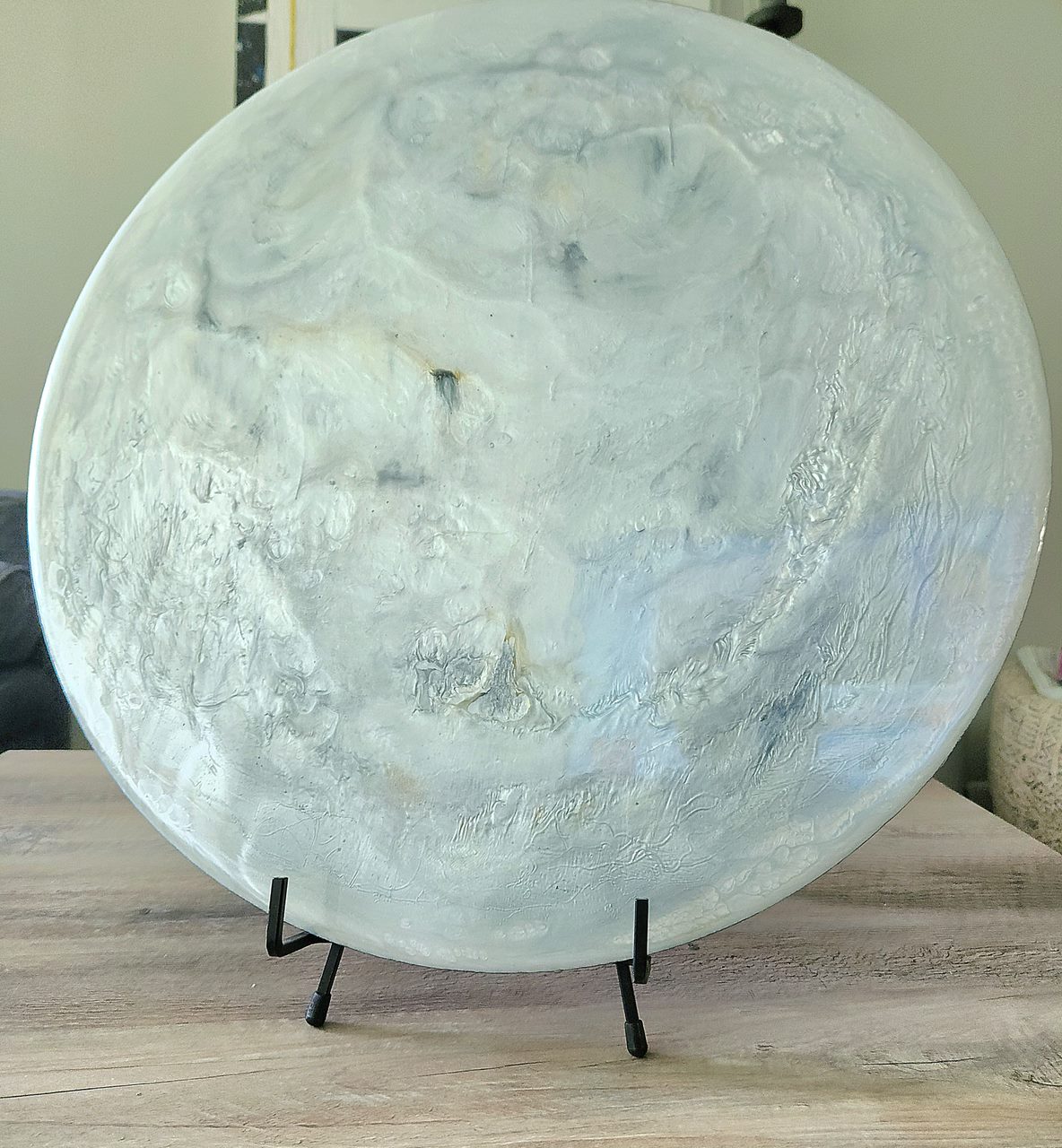 Pearl Tray · Available
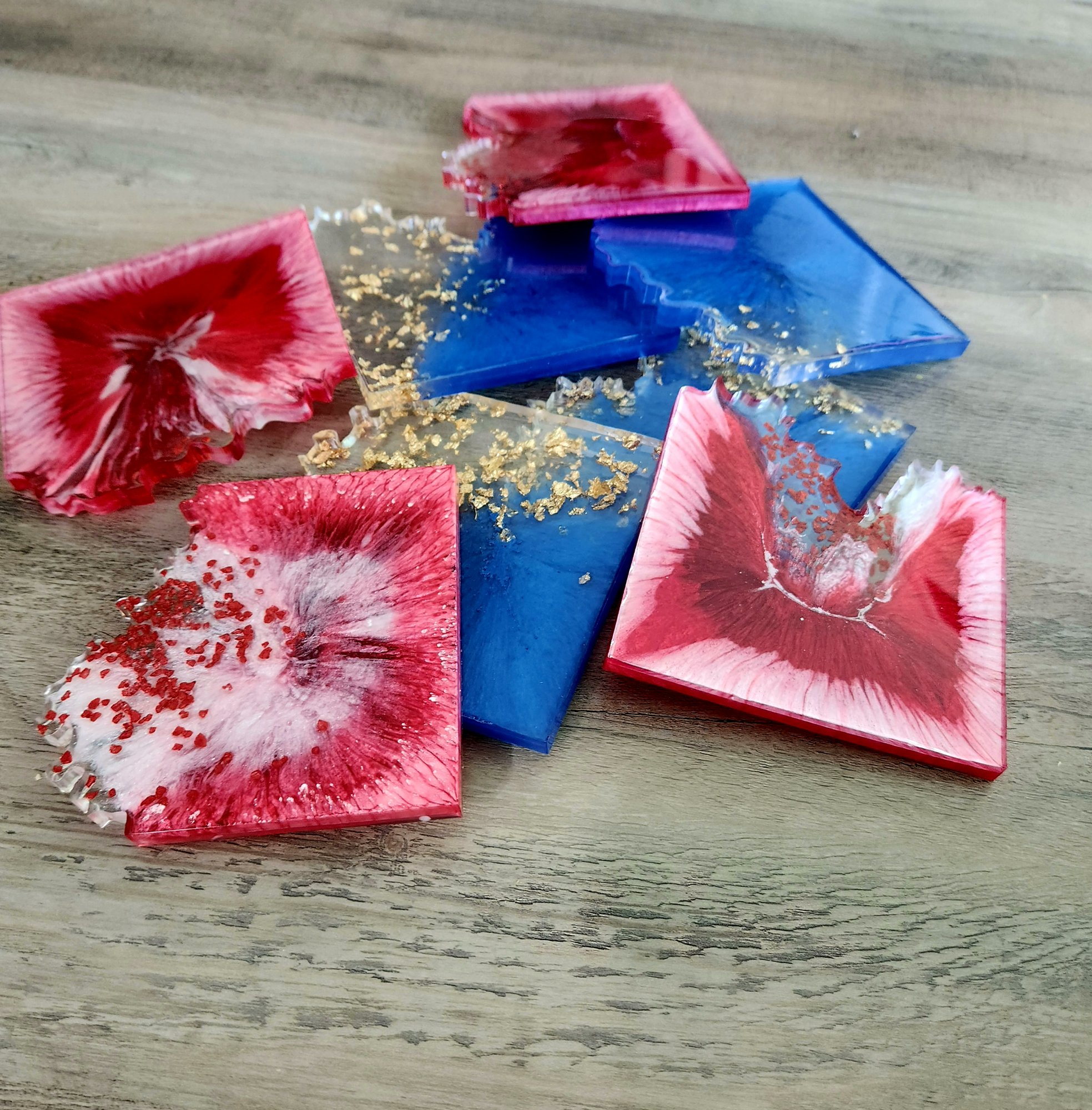 Untitled · Sold
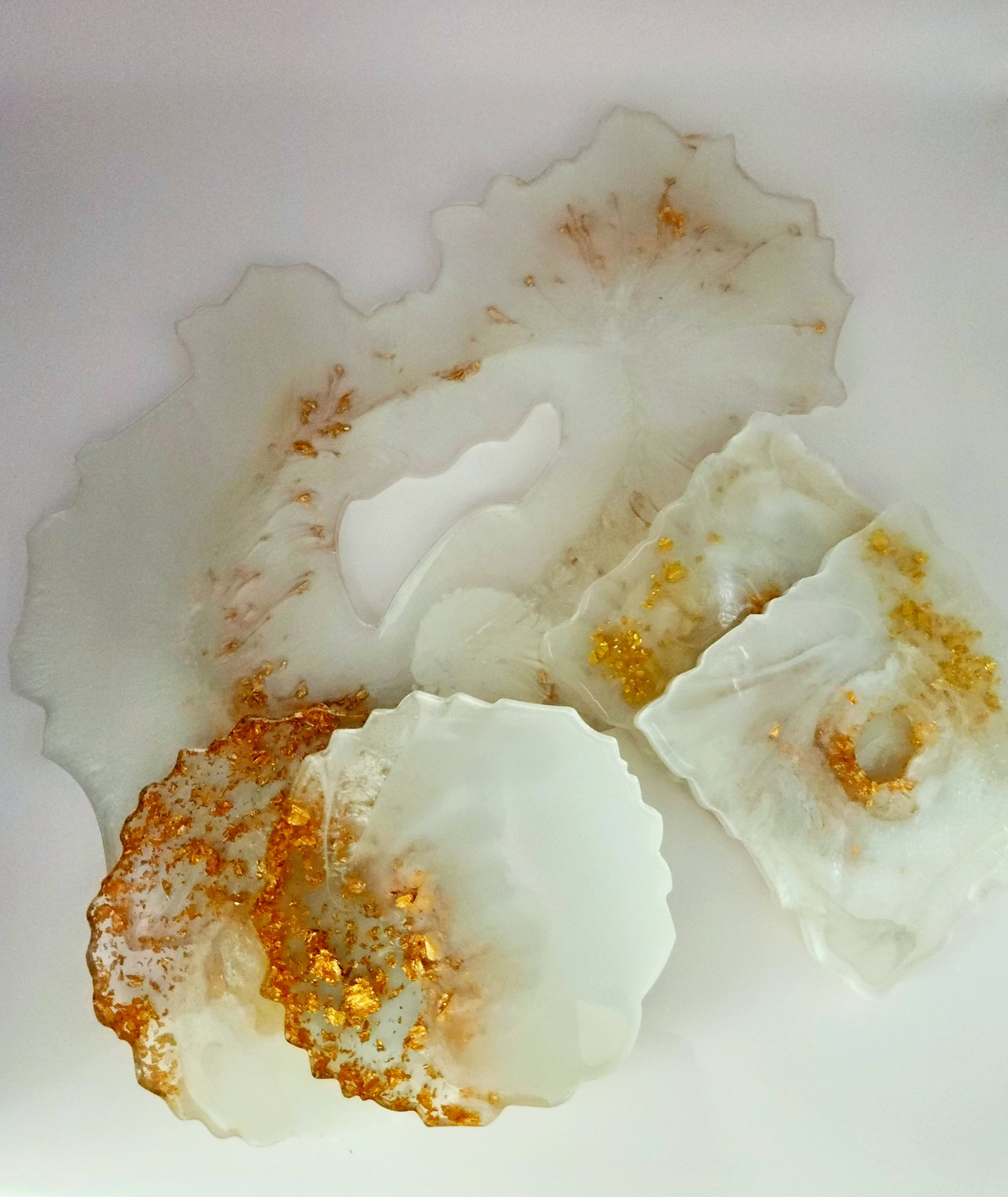 SparkleJoy Geode Set · Sold
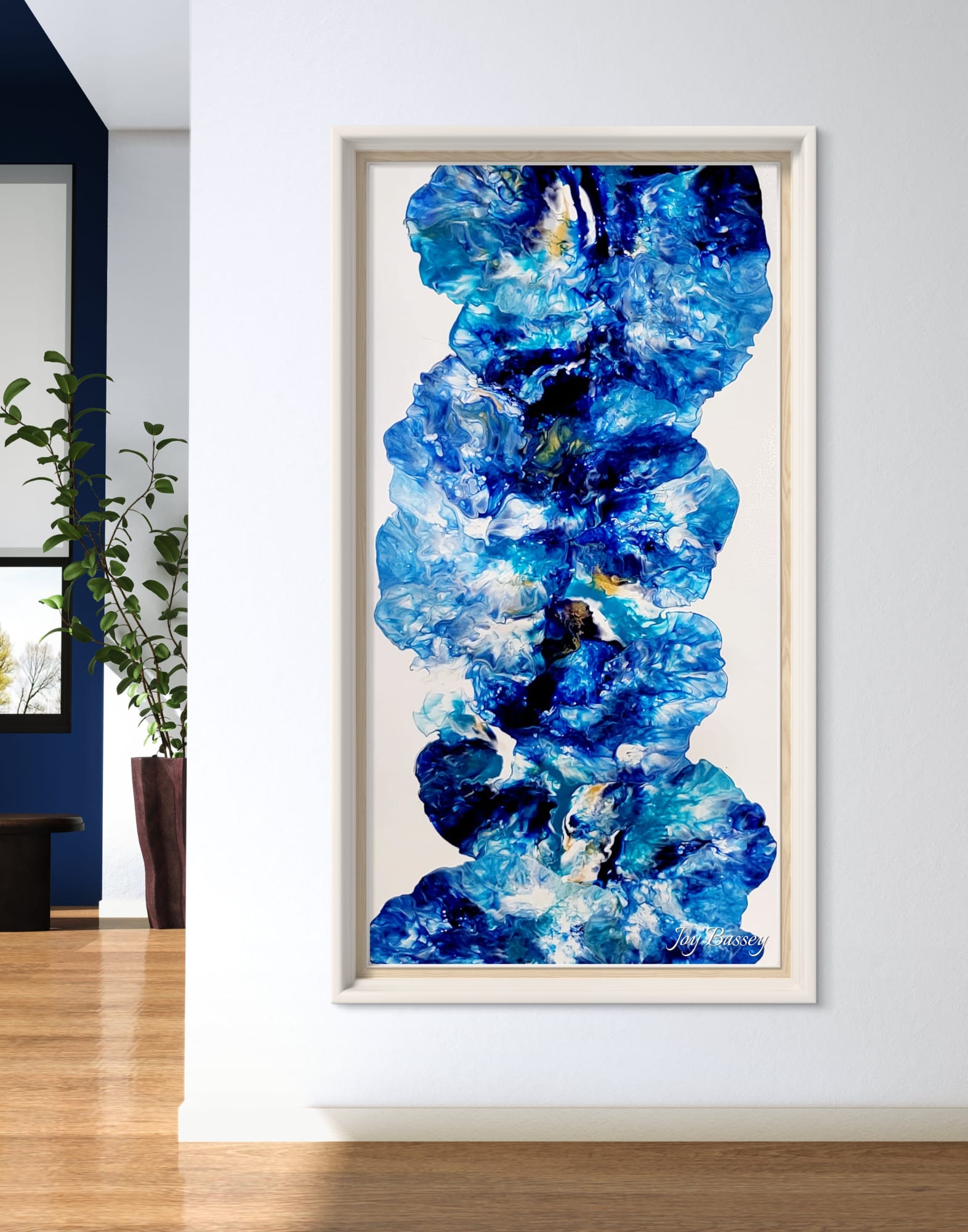 Blue Me Away · Sold
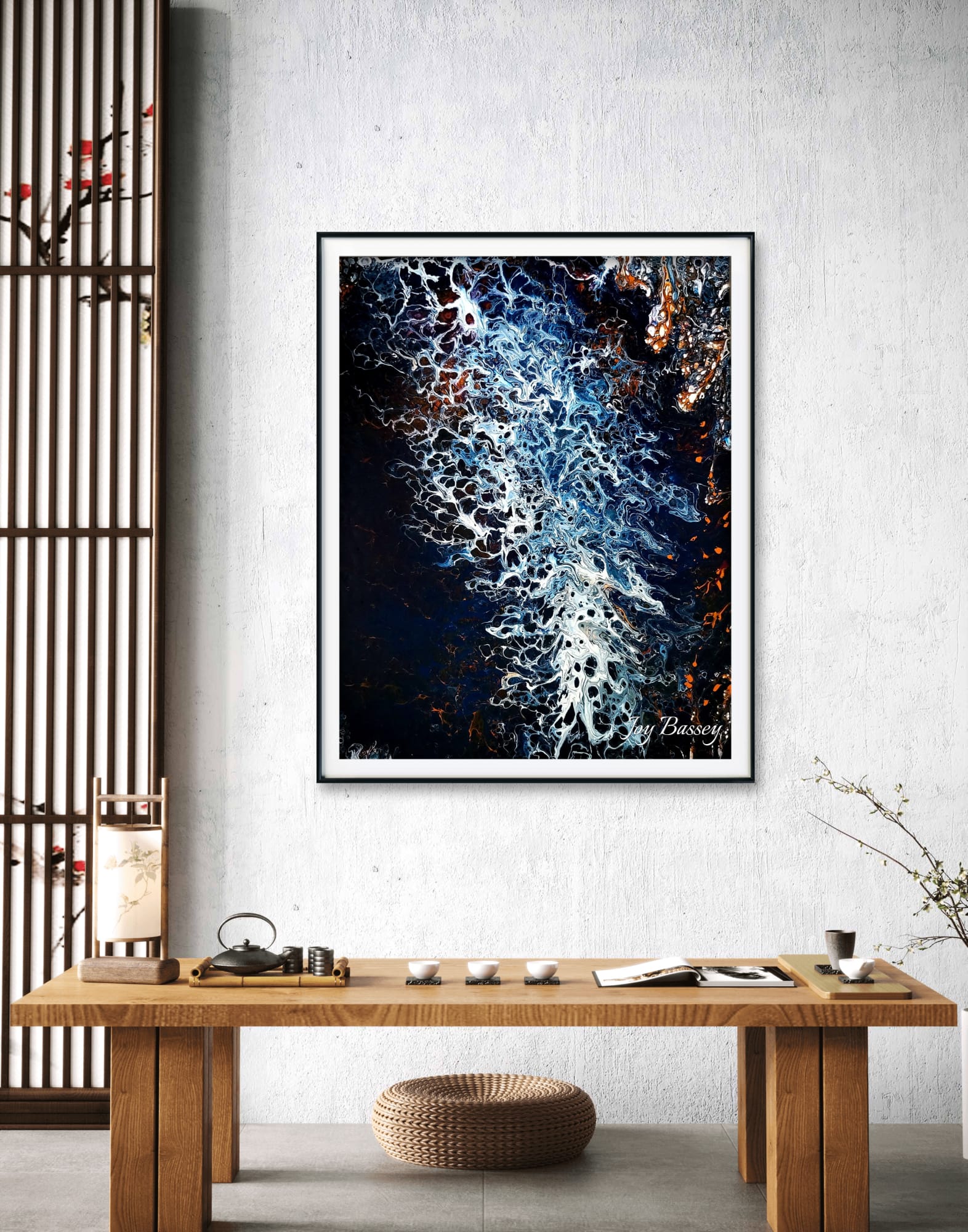 Spring Roll · Sold
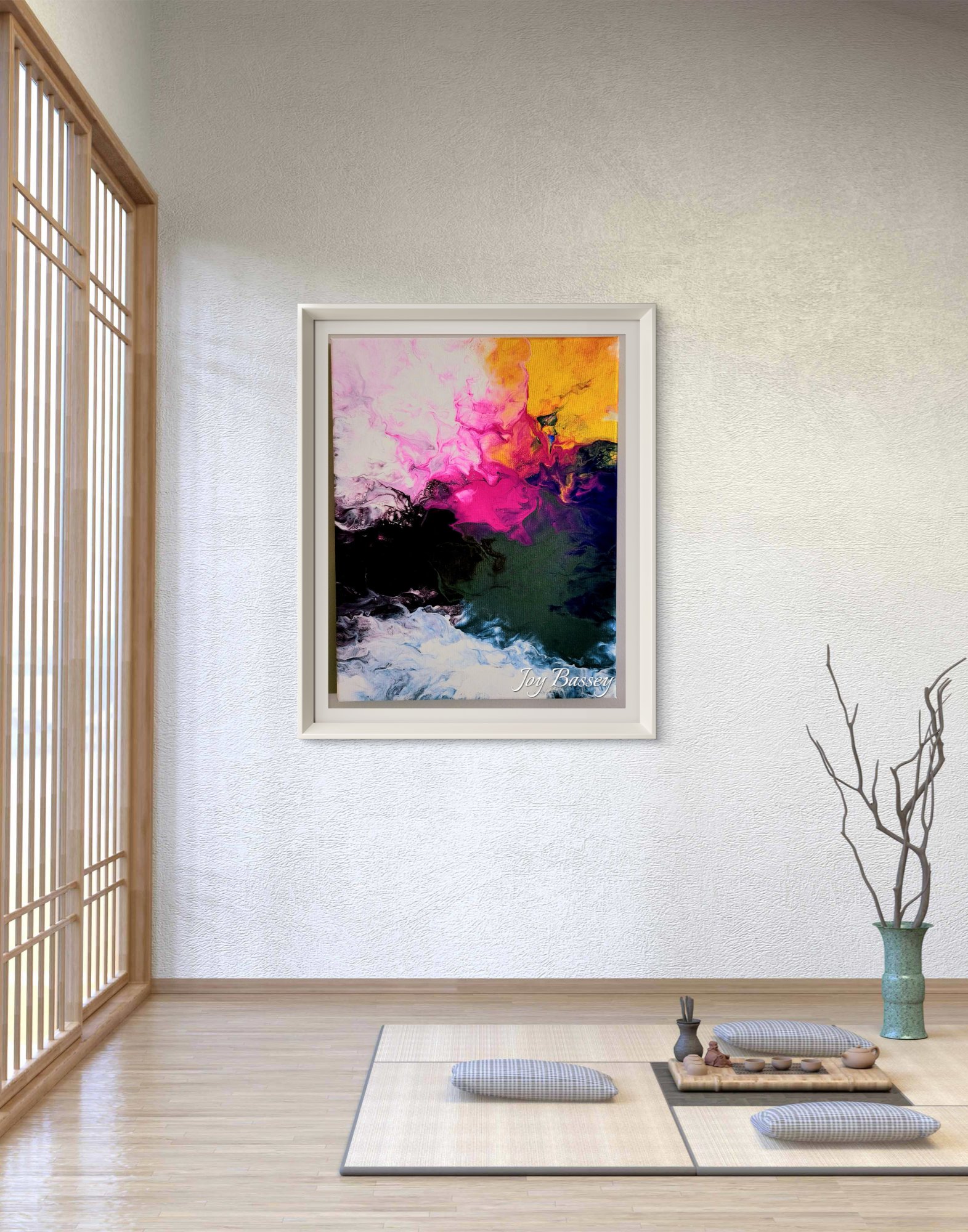 Untitled · Sold